Balvi Industrial TeamEngineering
Forging vs Casting: What's Better?
A detailed comparison of forging and casting processes, exploring their strengths, limitations, and ideal use cases in industrial manufacturing.
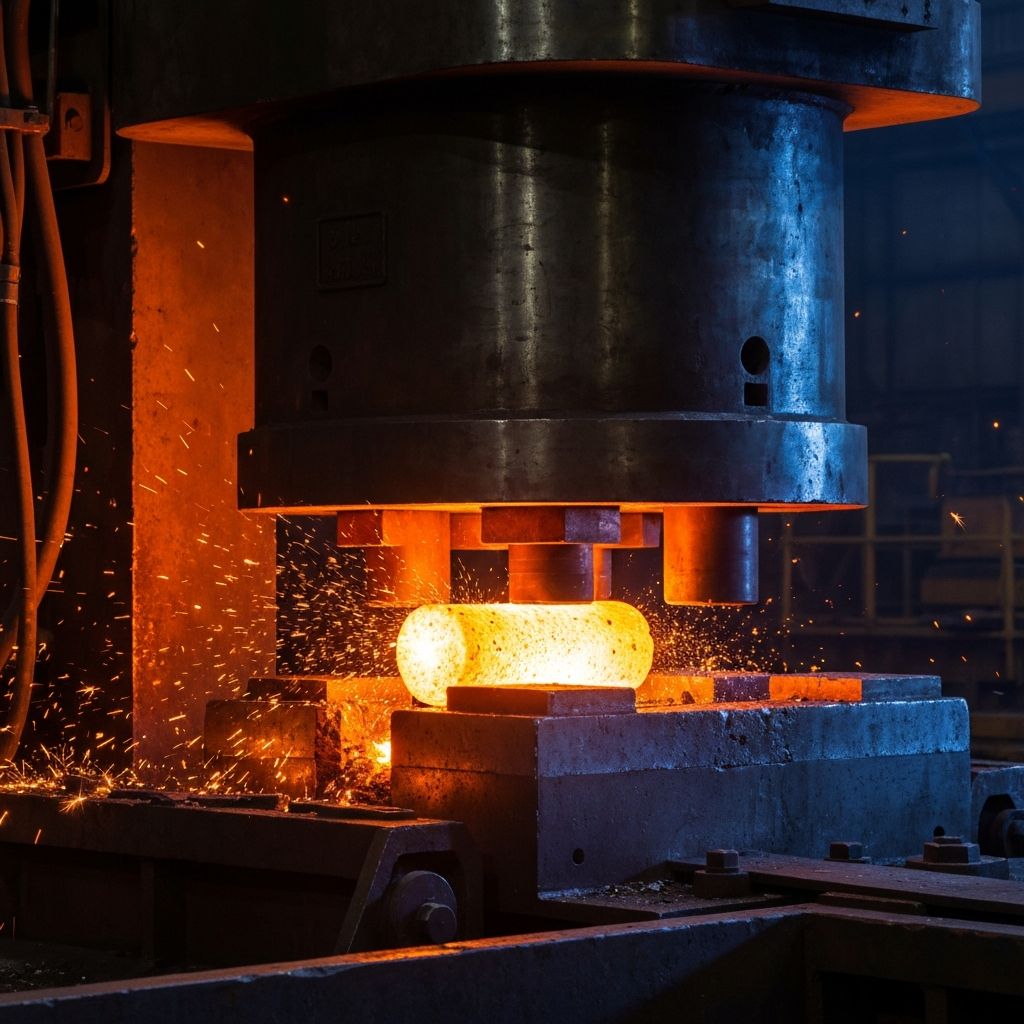
Forging and casting are two fundamental metalworking processes, each with distinct advantages. Forging involves shaping metal using compressive forces, resulting in a refined grain structure that offers superior strength and fatigue resistance. Casting, on the other hand, pours molten metal into molds, allowing for intricate shapes and larger components at lower costs. The choice between them depends on factors like required strength, complexity, volume, and budget. For critical structural components, forging is often preferred, while casting excels for complex housings and large-scale parts.